
World War I, fought from 1914 to 1918, marked a significant turning point in military history. It was the first major conflict where the combustion engine played a crucial role in warfare. The development and utilization of combustion engines during this time had a profound impact on various military applications. This article explores the role of the combustion engine in World War I and its military applications that revolutionized warfare.
Before World War I, military operations heavily relied on traditional means of transportation, such as horses and steam-powered machinery. However, the advent of the combustion engine introduced a new and powerful source of energy that could be harnessed for military purposes. The combustion engine, fueled by gasoline or diesel, offered mobility, speed, and versatility, making it an ideal choice for military applications.
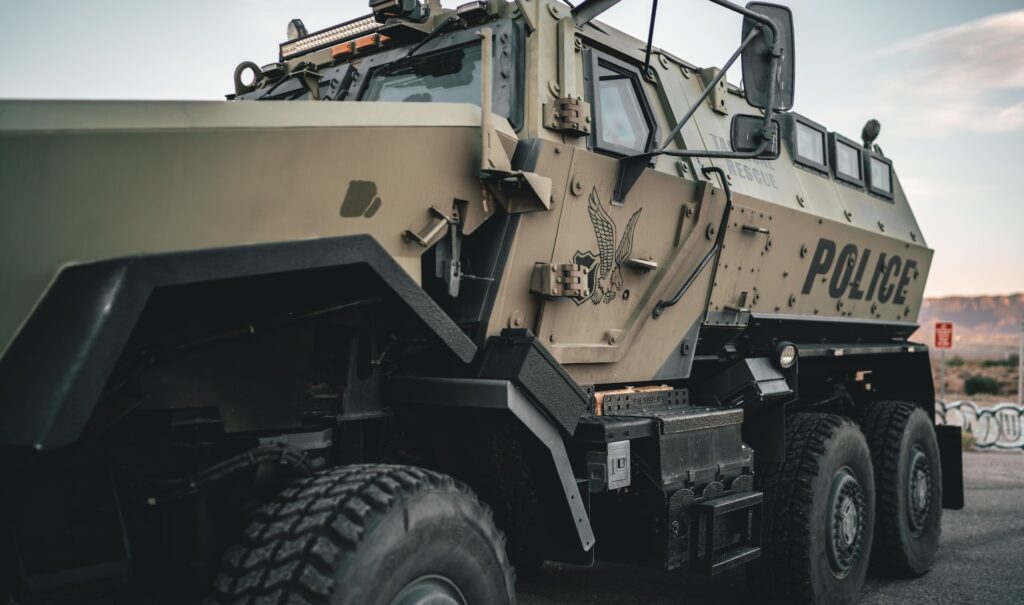
One of the most significant military applications of the combustion engine during World War I was in armored vehicles, particularly tanks. Tanks were first introduced in the later stages of the war and played a vital role in overcoming the stalemate of trench warfare. The combustion engine powered these armored vehicles, allowing them to traverse difficult terrain, cross trenches, and carry heavy weaponry. Tanks revolutionized land warfare, providing mobile and protected platforms for offensive operations.
The combustion engine also played a crucial role in the development of aircraft during World War I. The rapid advancements in aviation technology during this time saw the emergence of powerful combustion engines capable of propelling airplanes. These engines, typically rotary or inline configurations, provided the necessary thrust for sustained flight. Aircraft became valuable assets for reconnaissance, aerial combat, and strategic bombing. The combustion engine’s reliability and power allowed for the rapid evolution of aerial warfare during the war.
Furthermore, the combustion engine was instrumental in the development of naval vessels during World War I. The introduction of gasoline or diesel-powered engines in ships and submarines increased their range, speed, and endurance. Submarines, in particular, relied on combustion engines for surface propulsion, allowing them to travel longer distances and engage in surprise attacks. The use of combustion engines in naval vessels transformed naval warfare and introduced new strategies and tactics.
The mobility provided by combustion engines also had a significant impact on logistical operations during the war. Motorized vehicles, such as trucks and ambulances, replaced horse-drawn carriages for transportation of troops, supplies, and equipment. The combustion engine’s reliability and ability to traverse difficult terrain allowed for more efficient and rapid movement of troops and supplies. This increased mobility contributed to the scale and intensity of World War I.
Additionally, the combustion engine played a crucial role in the development of artillery during the war. Artillery pieces, such as field guns and howitzers, were often transported and maneuvered using motorized vehicles. The combustion engine’s power facilitated the movement of heavy artillery across various terrains, enabling quick deployment and increased firepower. Motorized artillery units became integral components of military operations, providing the ability to deliver devastating firepower at critical moments.
The use of combustion engines in World War I also had significant implications for logistics and supply chains. The demand for fuel, particularly gasoline, increased dramatically with the widespread adoption of motorized vehicles. This led to the development of complex supply networks to ensure a steady and reliable fuel supply for military operations. The need for fuel and lubricants for combustion engines also drove advancements in oil extraction, refining, and distribution.
The combustion engine’s military applications in World War I had a lasting impact on warfare and subsequent conflicts. Its integration into armored vehicles, aircraft, and naval vessels revolutionized military capabilities, enhancing mobility, firepower, and strategic options. The use of combustion engines paved the way for further technological advancements in subsequent wars, shaping the modern military landscape.
However, it is important to note that the introduction of combustion engines in warfare was not without challenges. These engines required maintenance, fuel supply, and skilled operators, which posed logistical and training challenges. Additionally, the noise and exhaust produced by combustion engines could compromise stealth and concealment on the battlefield. Nonetheless, the advantages offered by combustion engines outweighed these challenges, and their military applications during World War I marked a significant milestone in military history.
The combustion engine played a pivotal role in World War I, transforming military operations and strategies. Its applications in tanks, aircraft, naval vessels, logistics, and artillery revolutionized warfare, providing unprecedented mobility, firepower, and logistical capabilities. The combustion engine’s military applications during this time set the stage for further technological advancements in subsequent conflicts and shaped the future of warfare.