
Yes, a car engine is a type of combustion engine. In fact, the majority of cars on the road today use combustion engines as their primary source of power.
A car engine, also known as an internal combustion engine, works by burning a mixture of fuel and air inside the engine to produce mechanical power. The fuel is typically gasoline or diesel, and the air is drawn in through an intake system.
Once inside the engine, the fuel and air mixture is compressed by the piston, causing it to heat up and ignite spontaneously. This combustion process generates high pressure and temperature inside the engine, which pushes the piston down and generates mechanical power.
The power generated by the engine is then transferred to the wheels through a transmission and driveshaft, allowing the car to move.
There are several different types of car engines, including four-stroke engines and two-stroke engines. Four-stroke engines are the most common type of car engine and use four strokes, or cycles, to complete a combustion cycle. The four strokes include intake, compression, ignition, and exhaust.
Two-stroke engines, on the other hand, use a simpler design that completes a combustion cycle in two strokes. These engines are less efficient than four-stroke engines but are still used in some applications, such as small engines for motorcycles and boats.
The majority of cars on the road today use combustion engines as their primary source of power. These engines burn fuel and air inside the engine to produce mechanical power, which is then transferred to the wheels to allow the car to move.
The most common type of combustion engine used in cars is the four-stroke engine, which uses four strokes or cycles to complete a combustion cycle. This type of engine is found in most cars and is powered by either gasoline or diesel fuel.
There are two main types of fuel used in combustion engines in cars:
- Gasoline engines: These engines use gasoline as their fuel source and are the most common type of engine found in cars. Gasoline engines are known for their power and are typically used in larger cars and SUVs.
- Diesel engines: Diesel engines use diesel fuel instead of gasoline and are known for their fuel efficiency. These engines are typically used in smaller cars and trucks.
While combustion engines are the most common type of engine found in cars, there are other types of engines that are also used. For example, electric and hybrid engines are becoming increasingly popular as more people seek out more sustainable and environmentally friendly forms of transportation.
In addition, some cars also use alternative fuels, such as ethanol, propane, and natural gas. These fuels are typically less polluting than gasoline or diesel and can be more sustainable in certain applications.
Overall, combustion engines remain the most common type of engine found in cars today. However, as concerns about climate change and environmental impact continue to grow, there is a growing interest in alternative forms of transportation, including electric and hybrid engines, as well as alternative fuels.
While combustion engines have been the primary source of power for cars for over a century, there is growing interest in electric and hybrid engines as a more sustainable and environmentally-friendly alternative. Electric engines use electricity stored in batteries to power an electric motor, while hybrid engines combine the benefits of both combustion and electric engines.
Advances in technology, such as improvements to fuel efficiency and the use of alternative fuels, will continue to make combustion engines cleaner and more efficient.
It is worth noting that while combustion engines have been a reliable source of power for cars for many years, they also have some limitations. One of the main concerns is their environmental impact, as the combustion of fossil fuels releases greenhouse gases and other pollutants that contribute to climate change and air pollution.
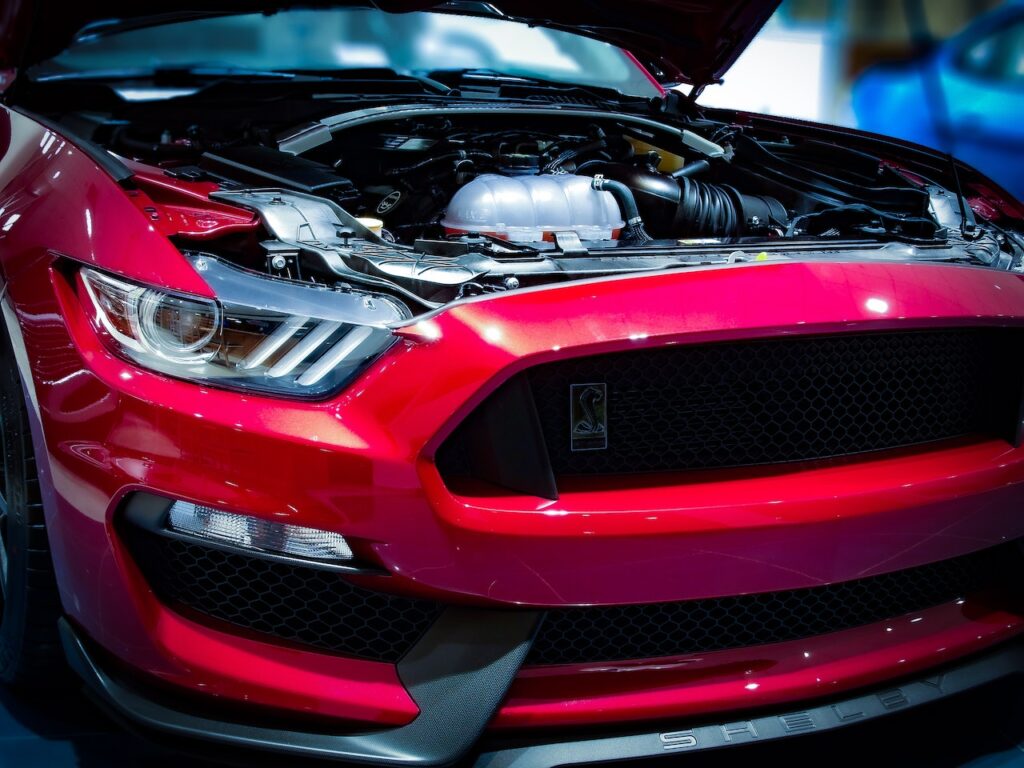
In recent years, many countries and automakers have set targets for reducing emissions and transitioning towards more sustainable forms of transportation. This has led to a growing interest in electric and hybrid cars, which are more efficient and produce fewer emissions than traditional combustion engines.
However, despite the environmental concerns associated with combustion engines, they continue to be a popular choice for many consumers due to their reliability, power, and availability of fuel.
It is important to note that not all combustion engines are created equal. Some engines are designed to be more fuel-efficient and emit fewer pollutants than others. Additionally, advancements in technology have led to the development of cleaner-burning fuels, such as biofuels and hydrogen, which can further reduce the environmental impact of combustion engines.
Overall, while combustion engines may not be the most sustainable choice for powering cars in the long term, they are still widely used and are likely to continue being used for the forseeable future. However, with a growing concern for the environment and a shift towards more sustainable forms of transportation, it is important to continue looking at developing alternative sources of power for cars and other vehicles.
The future of combustion engines is uncertain.
Many countries and automakers have set targets for reducing emissions and transitioning towards more sustainable forms of transportation. This has led to a growing interest in electric and hybrid engines, which are more efficient and produce fewer emissions than traditional combustion engines.
Despite this shift towards alternative forms of transportation, combustion engines, as discussed, are likely to remain a significant source of power for cars for many years to come. Advancements in technology, such as improvements to fuel efficiency and the use of alternative fuels, will continue to make combustion engines cleaner and more efficient.
However, with a growing concern for the environment and a shift towards more sustainable forms of transportation, it is important to continue exploring and developing alternative sources of power for cars and other vehicles, as mentioned.